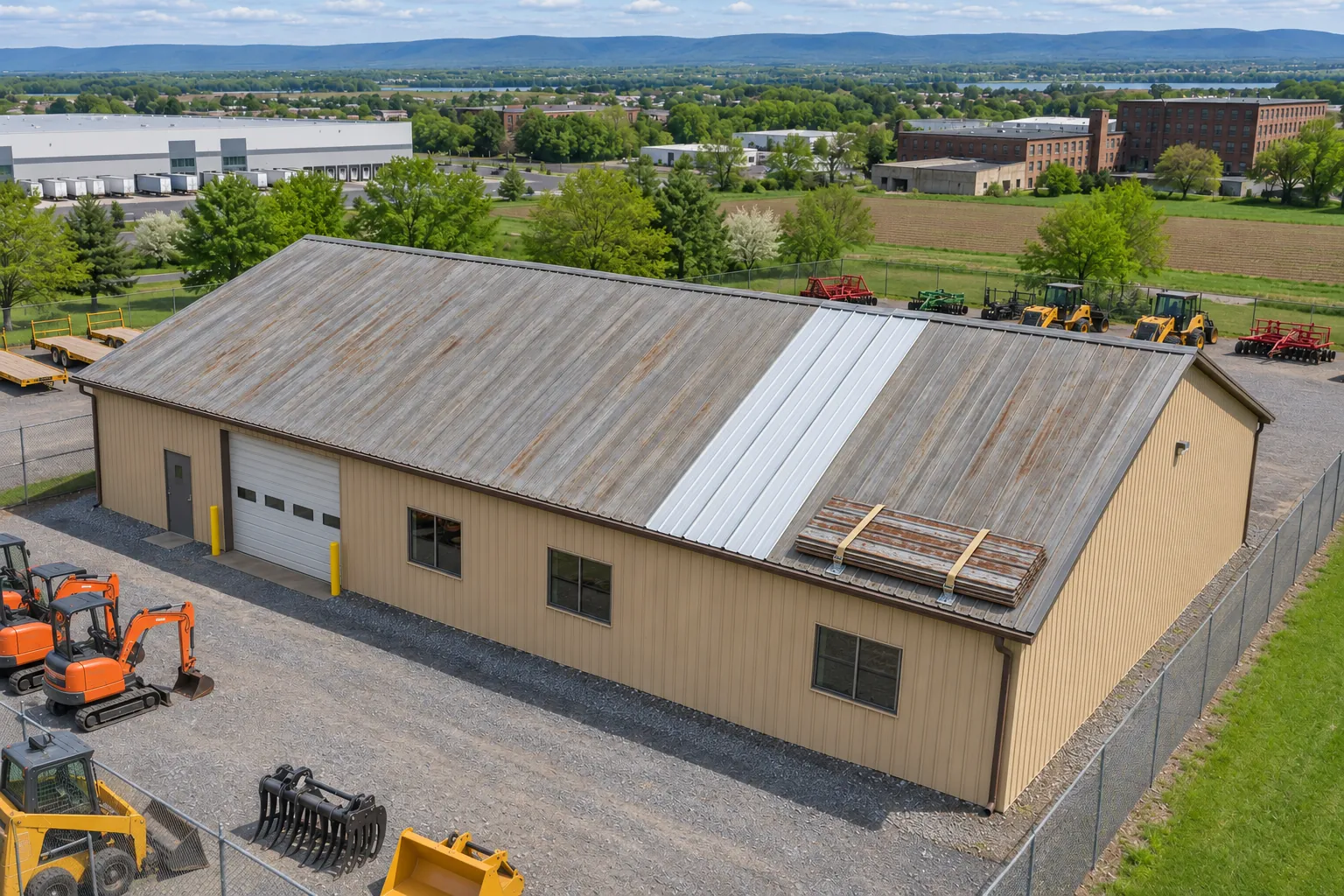
Low roofs behind storefront parapets, with clogged scuppers, soft seams, and patches that need tying into dry membrane.
Best For
- Scupper outlets
- Seams behind parapets
- Patched low areas

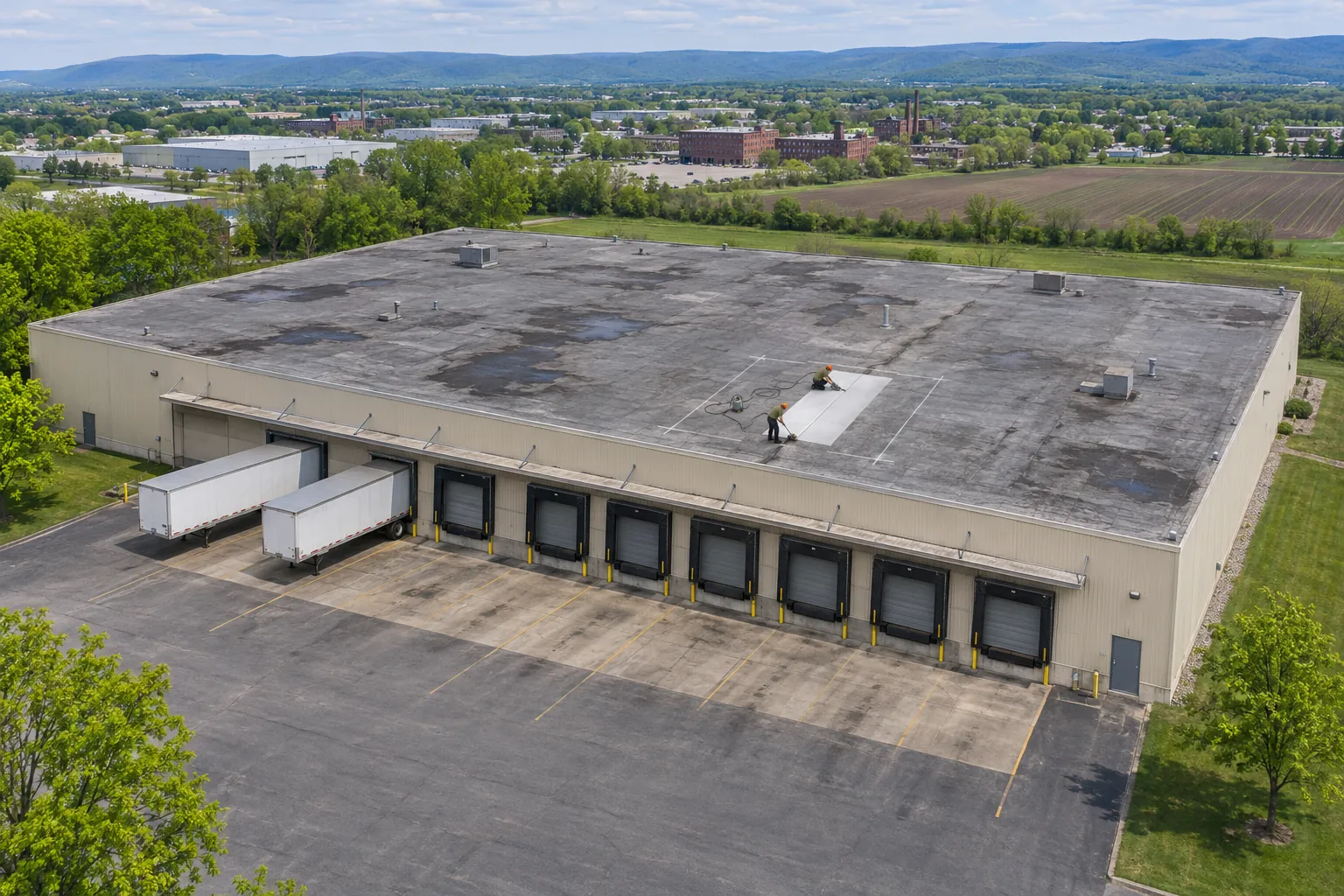
Our Camp Hill commercial roof repair work serves offices, shops, and service businesses that stay open while the roof is traced and repaired.
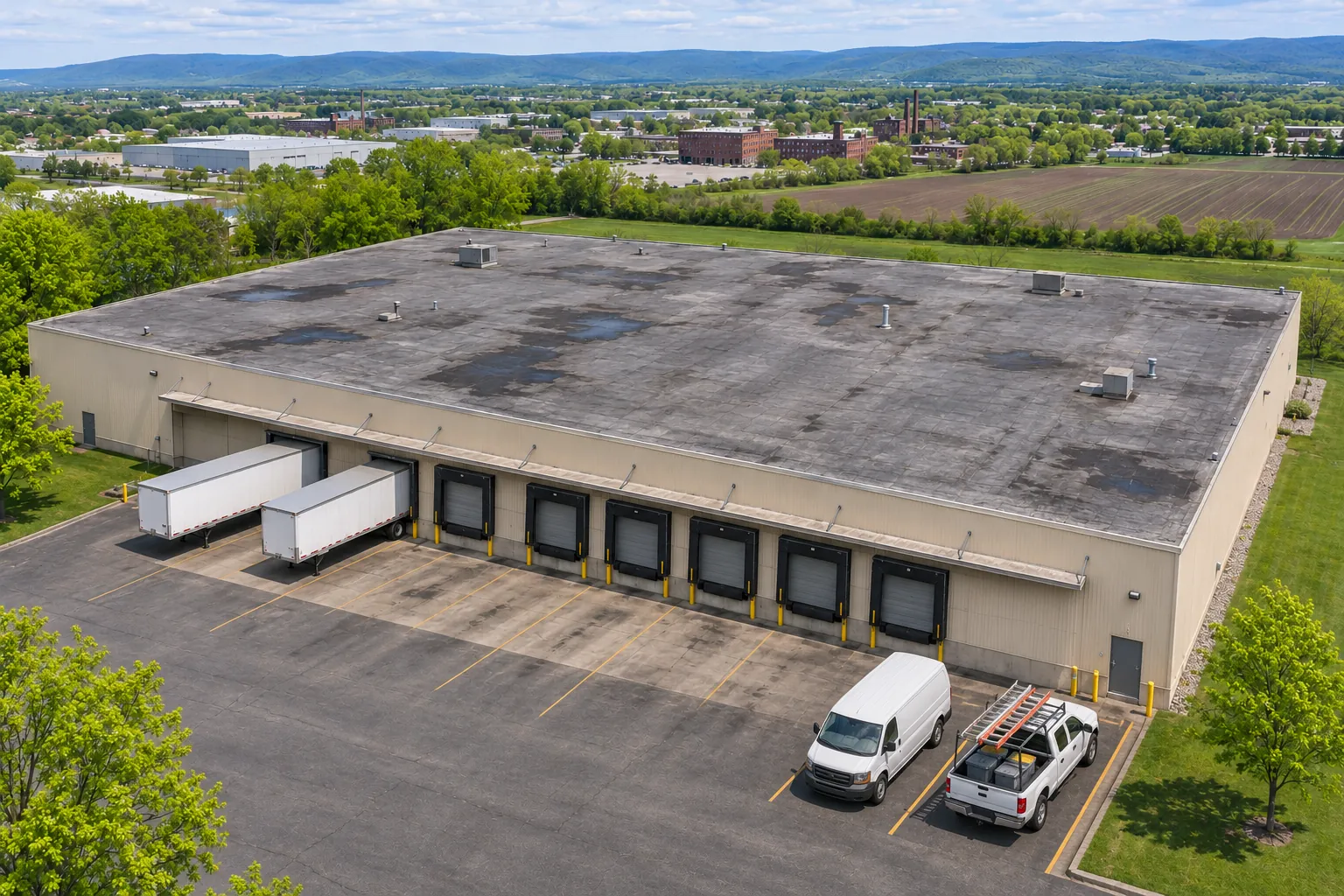
Camp Hill commercial roof repair in an open business starts with a good leak report from the people who saw it.
Report where the water shows and when it started, and leave wet ceiling tiles in place unless your building procedures cover safe handling. Photos and clear location notes save time on the roof.
Any interior access is set up with the staff responsible for the building, and occupants are kept away from wet ceilings and finishes while the source is traced from above.
Occupied buildings spot leaks from below. These are the signs staff tend to report first.
Tiles that bow or stain mean water has been collecting above them, and they can drop without warning.
Water running down the inside of a parapet shows up on walls and window heads below the roof edge.
Leaks clustered under heating and cooling units point to curb flashing or the unit drain line.
Low roofs behind parapets hold water when scuppers clog, and the seams there soften over time.
A smell that returns with rain often means insulation above the ceiling is staying wet.
Repairing an occupied building well protects customers, staff, and finishes as much as the roof.
Roof work above one area leaves the rest of the business running, with quiet tasks set for open hours.
Stopping a ceiling leak from the roof early saves tiles, carpet, and drywall from repeat soaking.
Ceiling access below the roof is planned with the responsible staff, so wet materials are handled by people allowed to move them.
Written findings give landlord and tenant the same roof facts when costs are discussed.
Each repair type below shows where it fits on Camp Hill office and retail roofs.
Low roofs behind storefront parapets, with clogged scuppers, soft seams, and patches that need tying into dry membrane.
Metal canopies, entry roofs, and service buildings where screws and laps leak over doorways.
Ceiling stains in occupied rooms are traced across the roof and wall lines before any tile is removed.
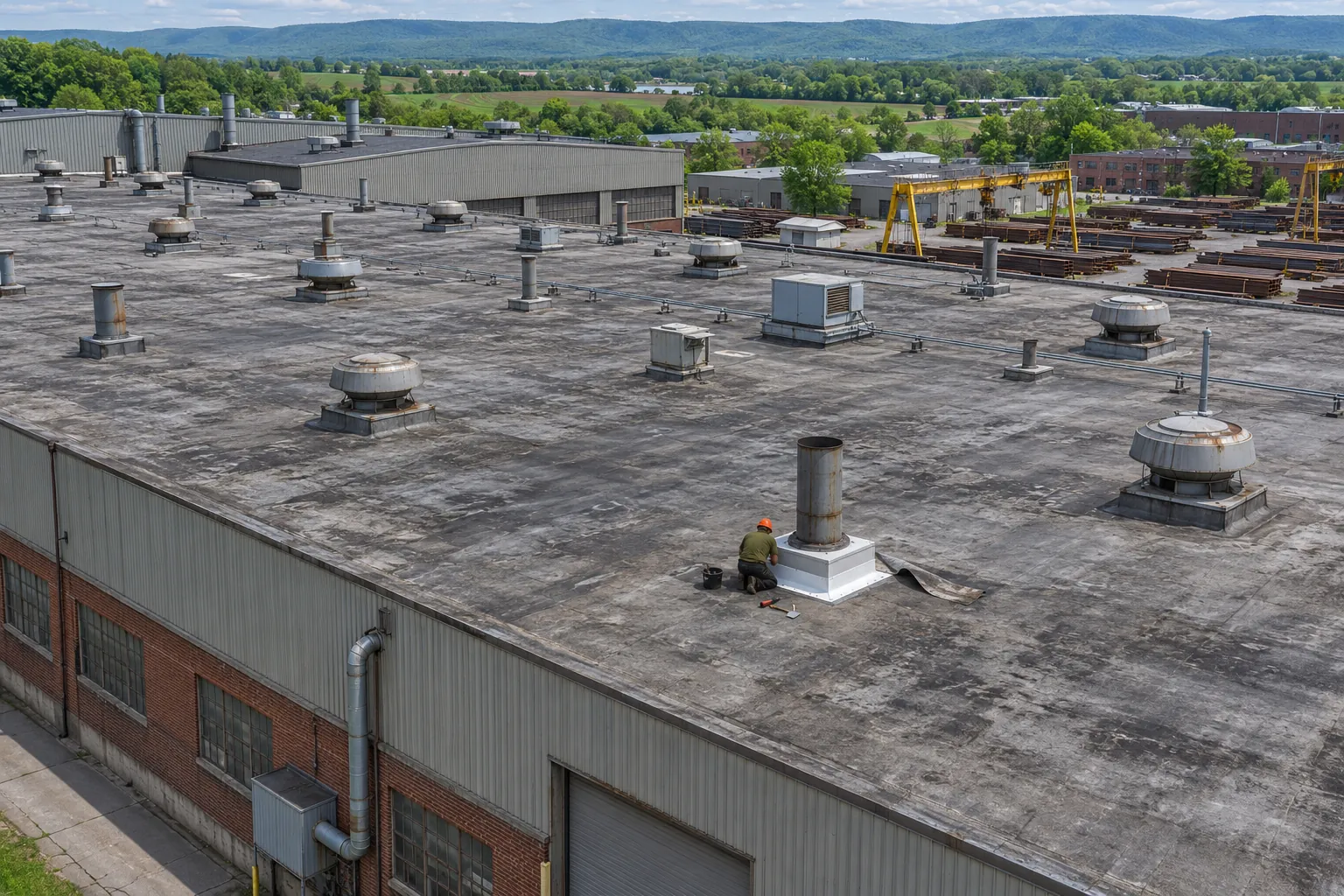
Service shops and light industrial suites with exhaust fans and equipment curbs on the roof.
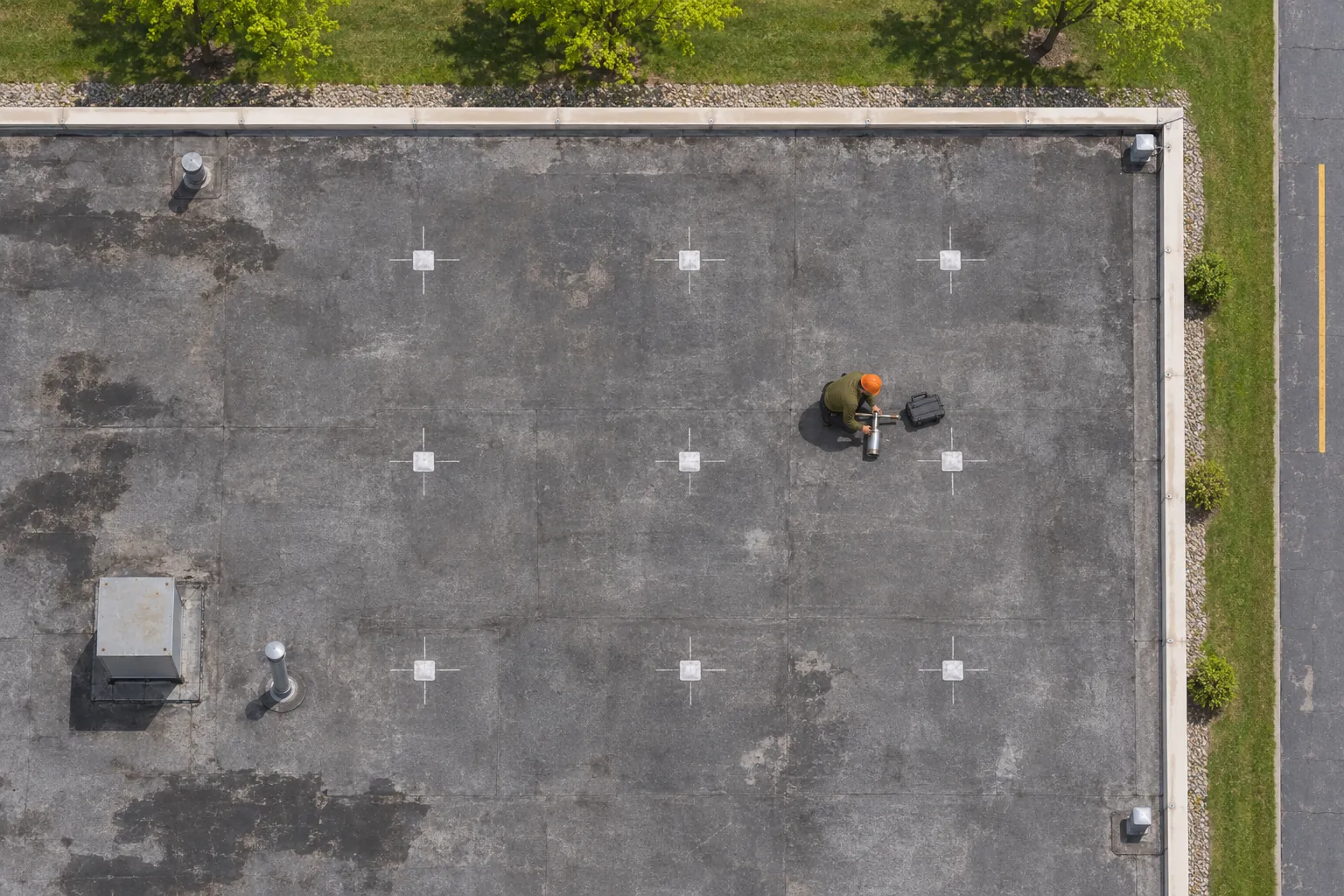
Send the address, a photo of the stain, and when it started. We trace it from the roof and price the repair in writing.
Four steps take a staff leak report to a repaired roof with the business still open.
We collect the stain location, timing, photos, and access details from the person responsible for the building.
Seams, curbs, parapet flashing, and scuppers over the reported area are inspected before any ceiling is opened.
The failed seam, curb, or wall flashing is rebuilt, and wet insulation above the ceiling is replaced.
After the next rain, staff check the stained area, and the report shows what was found on the roof.
Buildings in these towns get the same leak tracing. Elsewhere, call us or send us a message if your building sits between these towns.
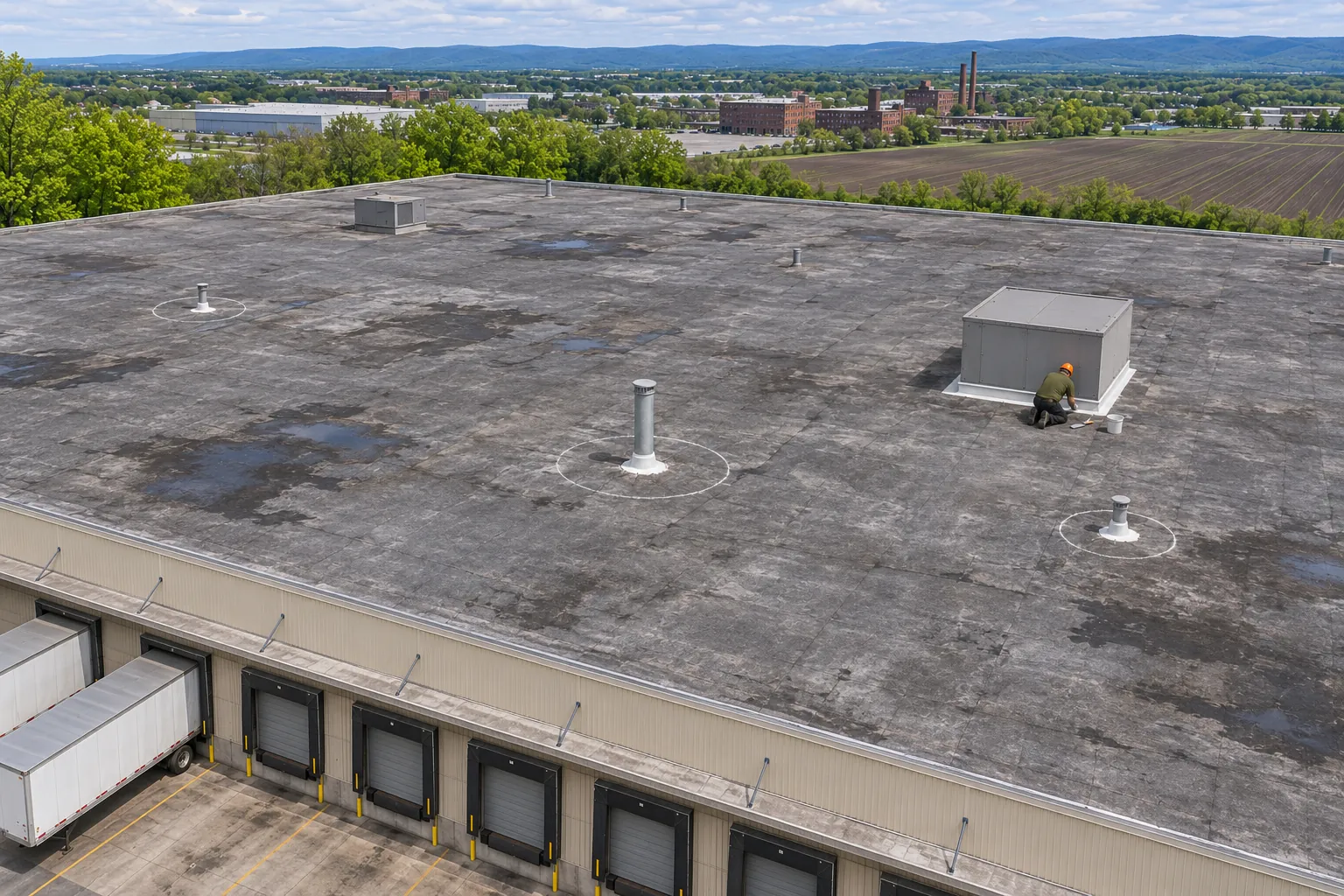
Home base: office roofs, brick blocks, and logistics warehouses.
Warehouse roofs where moved racks shift the leak report.
Office roofs with split edge flashing and lifting coping.
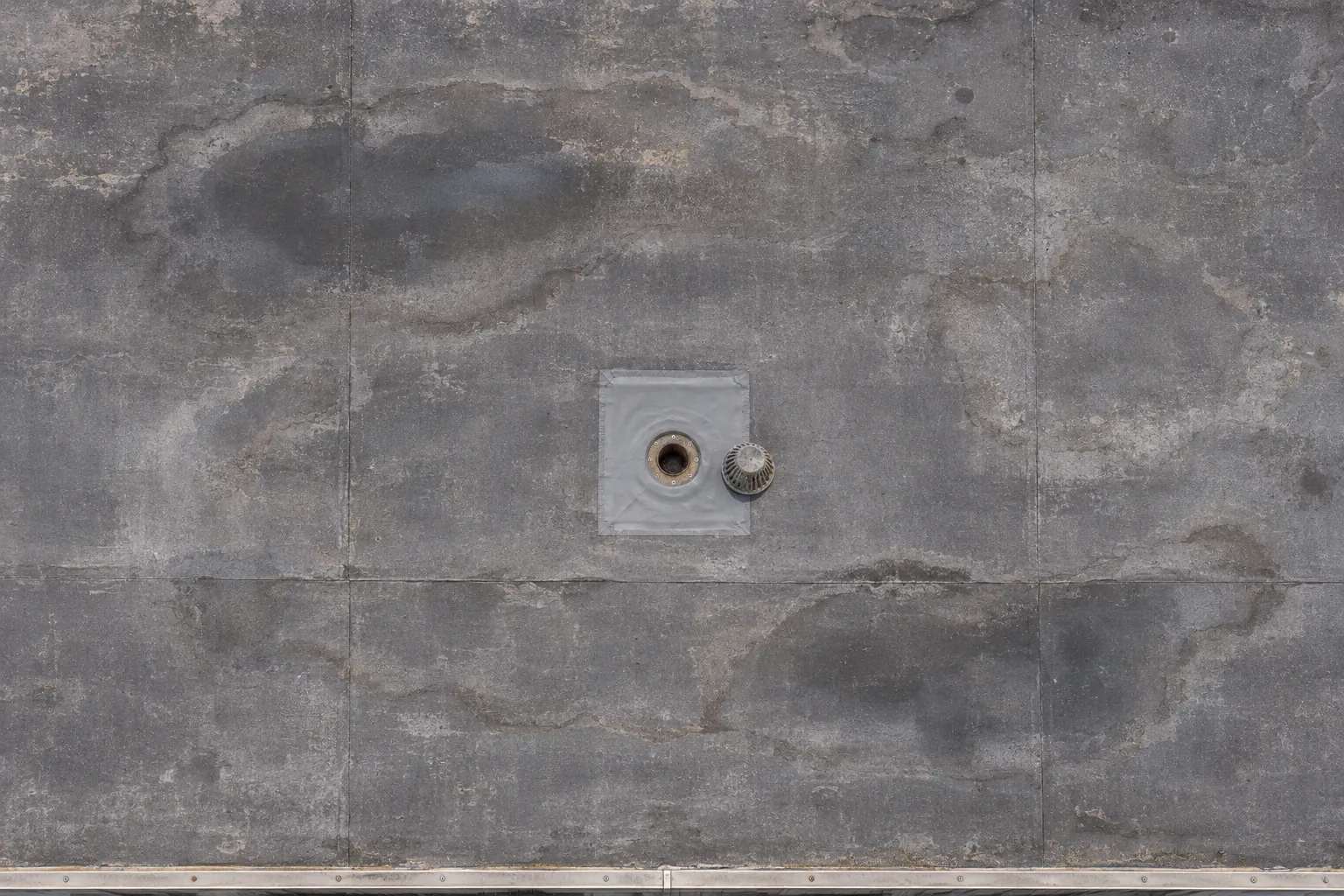
Drains leaking on warehouse roofs after nearby work.
Older roofs with unused curbs to remove and close.
Answers for managers of open offices, shops, and service businesses.
Leave wet tiles in place unless your building procedures allow safe handling. Report where the water shows and when it started, and send photos. We set up any ceiling access with the responsible staff and keep people away from wet finishes while the roof is traced.
From above first. We locate the stain against the roof layout, then check seams, curbs, scuppers, and wall flashing over and around it, because water can travel before it drops through a tile. Only then is a tile lifted, where the roof evidence points.
Open coping joints, cracked wall flashing, or failed counterflashing let water into the wall above the roof. It then runs down behind the base flashing. We inspect the coping, the wall face, and the flashing height together.
Yes. A clogged scupper holds water against the parapet and the seams beside it. Clearing and reflashing the outlet is often part of the leak repair. We also check the downspout below, since a blocked one backs water into the scupper.
An on-roof inspection sets it. Tracing time, the roof system, how many openings are found, wet insulation from core cuts, flashing work at walls and curbs, and access through an occupied building all change the price.
In most cases. Roof work goes on above while the business runs below, and noisy tasks or ceiling access are set for quieter hours with the manager. Material lifts are placed away from entrances, parking, and delivery doors.
Send the address, the stain location, and a photo. We trace it from the roof and price the repair in writing.